Limited Time Offer: Get your first order free by using "VERDECHICAGO" at checkout (bottle deposits excluded).
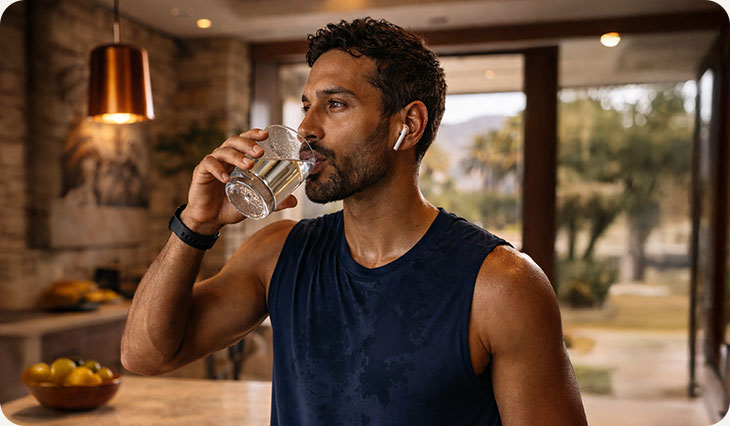
If you want to increase your water intake, start by making water easier to reach, easier to remember, and more enjoyable to drink. Keeping good-tasting water readily available at home, at work, and on the go can remove much of the friction that causes people to forget about hydration during a busy day.
That is also why the water itself matters. If you do not like the taste of the water available to you, do not trust its quality, or constantly have to buy, carry, filter, or refill it, drinking more becomes another task. For Chicago-area homes and workplaces, premium water delivery from Verde Springs is one way to make consistent access to better-tasting water much simpler. Verde Springs offers 3-gallon glass and 5-gallon bottled water delivery, along with home, office, and commercial delivery options.
One of the highest-leverage ways to drink more water is surprisingly simple: reduce the number of steps between wanting water and actually drinking it.
Put water where you naturally spend time. Keep it beside your desk, near the couch, on your nightstand, at the kitchen table, or in the car when appropriate. At work, place the water dispenser somewhere people regularly pass instead of hiding it in a back room.
There is research behind this idea.
In a randomized household study involving 92 parents of infants and toddlers, participants who received a water-filter pitcher reported increasing their water consumption by an average of 5.6 fluid ounces per day. Follow-up qualitative research suggested several possible reasons: the filter improved perceptions of water quality, improved flavor, made water more accessible, and acted as a visual cue to drink. The study population was specific, so the exact results should not be generalized to every household, but the mechanisms are useful.
A separate randomized study of adults with kidney stones found another common barrier: 60% initially reported forgetting to drink as their main problem. Participants using a smart water bottle that tracked intake and provided reminders had a greater increase in 24-hour urine volume than those receiving standard advice alone. Again, that was a specific clinical population, but it reinforces the value of cues and easier self-monitoring.
The practical lesson is straightforward: do not make hydration a memory test.
For Chicago-area households and workplaces, water delivery can remove several recurring obstacles at once.
Verde Springs provides premium water delivery in 3-gallon glass and convenient 5-gallon bottles. The service is designed around dependable scheduled delivery, bottle exchange, flexible ordering, and no long-term contracts, so customers can keep water available without repeatedly transporting cases or large bottles themselves.
For customers choosing the 3-gallon glass option, the smaller format is designed to be easier to handle than a conventional 5-gallon bottle, and the custom reusable Italian glass bottles include a fitted carry sleeve for a more secure grip.
When your preferred drinking water is already in the kitchen or office and ready to dispense, drinking it requires much less effort.
There is no universal requirement that every adult drink exactly eight glasses of plain water per day.
The National Academies established Adequate Intake levels for total water, which includes drinking water, other beverages, and moisture in food. For adults, the reference values are approximately 3.7 liters per day for men and 2.7 liters per day for women. In the underlying U.S. dietary data, about 81% came from beverages and about 19% from food.
Those numbers are reference values, not personalized prescriptions for plain water. The CDC notes that fluid needs vary according to factors including age, sex, pregnancy, breastfeeding, physical activity, weather, and illness.
Instead of chasing an arbitrary number, figure out where you are now and make your next goal realistic.
For example, if you currently want to add another 24 ounces of water to your normal day, you could divide the increase into three 8-ounce opportunities rather than trying to drink a large amount at once.
Building an entirely new routine can be difficult. Attaching water to an established routine is easier.
Try drinking some water:
You do not need to use every opportunity. Pick a few that happen consistently.
This turns “I should drink more water” into a specific cue: when this happens, I drink water.
Visibility matters because a bottle or glass can become its own reminder.
Instead of putting your bottle in a bag, cabinet, or office kitchen, leave it somewhere you can see it. The qualitative findings from the Water Up!@Home research are notable here because participants described the water pitcher itself as a cue that encouraged drinking.
The same principle can work with a glass bottle, reusable bottle, pitcher, or water dispenser.
At an office, this might mean placing a dispenser near a frequently traveled area. At home, it could mean keeping a glass or bottle filled beside your workstation.
If you routinely avoid the water available to you because you dislike the taste, changing that experience may be more useful than installing another reminder app.
Taste preferences are personal. Some people prefer very cold water. Others prefer room temperature water. Some notice chlorine, mineral flavors, or other characteristics more than others.
Experiment with:
This is one area where Verde Springs is intentionally designed differently.
Current Verde Springs product documentation describes a multistage purification process that includes activated carbon treatment, reverse osmosis, membrane degassing, ultraviolet treatment, fine filtration, and ozone disinfection. After purification, controlled amounts of minerals including calcium, magnesium, potassium, sodium, bicarbonates, chlorides, and sulfates are added back to produce a consistent mineral profile. The water is maintained at approximately pH 7.1 to 7.3 and designed for a clean, light, balanced taste rather than a heavy mineral flavor.
Taste is subjective, but drinking water you genuinely enjoy can make the habit considerably easier.
You do not need to track every ounce forever.
Tracking can be useful temporarily, however, because it reveals whether your perception matches your actual drinking habits.
If you normally use a 24-ounce bottle and finish it twice, you know roughly what you consumed from that bottle. A marked reusable bottle can accomplish the same thing.
You can also create simple checkpoints:
| Checkpoint | Example goal |
|---|---|
| Late morning | Finish first bottle or glass sequence |
| Mid-afternoon | Finish second |
| Evening | Drink according to thirst, meals, and activity |
The specific amount should fit your needs. The point is to replace vague intentions with something observable.
If water tastes fine and is already available, your barrier may simply be attention.
In that case, use an alarm, smartwatch, calendar notification, smart bottle, or recurring phone reminder.
The smart-bottle trial mentioned earlier is useful because forgetting was the most commonly reported barrier among participants. A bottle that tracked intake and supplied reminders helped reduce that barrier.
You probably do not need reminders forever. Use them long enough to help establish predictable drinking moments.
Meals already occur at predictable times, which makes them convenient hydration cues.
The CDC specifically recommends serving water during meals as one strategy for increasing water intake.
At home, bring a bottle or pitcher to the table before sitting down.
At work, fill your glass before lunch rather than waiting until you feel thirsty halfway through the afternoon.
Increasing water intake does not always require adding another beverage to your day.
Sometimes it is easier to replace something.
If you routinely have a soda, sweetened beverage, or other drink at a particular time, try replacing one of those occasions with water.
The CDC notes that water contains no calories and that choosing it instead of sugar-sweetened beverages can reduce caloric intake.
You do not have to replace everything at once. One predictable substitution can create an easier starting point.
Hydration does not come exclusively from glasses of plain water.
Foods with high water content contribute to total intake, particularly fruits and vegetables. The National Academies’ dietary data estimated that food supplied approximately 19% of total water intake, although individual diets vary substantially.
Foods such as watermelon, strawberries, cucumbers, oranges, soups, and many other fruits and vegetables can contribute fluid alongside the water and other beverages you drink.
Your normal routine may not be enough every day.
The CDC notes that water needs can increase when people are more physically active, are in hot conditions, have a fever, or are losing fluid through vomiting or diarrhea.
That means your water strategy should be flexible.
On an active or hot day, bring more water than usual and make access part of your preparation rather than waiting until afterward.
At the same time, more is not always better. Excessive water consumption can, in uncommon circumstances, lower blood sodium to dangerous levels. People with conditions affecting fluid balance, or anyone advised to restrict fluids, should follow individualized guidance from their healthcare professional.
For some people, the main barrier is not habit. It is the water itself.
That is particularly relevant in Chicago, where the water-quality story requires more context than either “Chicago water is bad” or “Chicago water is completely problem-free.”
The Chicago Department of Water Management states that Chicago’s tap water met or exceeded applicable federal drinking-water standards in its 2025 reporting.
At the same time, Chicago has an extensive lead-service-line issue. The city’s 2025 Water Quality Report lists lead results of approximately 8.2 to 9.4 parts per billion at the 90th percentile, below the then-applicable 15 ppb federal action level, while five sampled sites exceeded that action level.
Those facts are not contradictory.
Water can leave a treatment system meeting regulatory requirements and still encounter lead-containing service lines or plumbing before reaching an individual faucet. EPA guidance for Chicago residents specifically discusses lead service lines and recommends steps such as testing water, using cold water for drinking and cooking, and choosing a filter certified for lead reduction when appropriate.
Chicago’s Lead-Safe Chicago program also advises residents to check their service-line material and provides guidance on flushing, testing, filtration, and replacement.
The practical takeaway is important:
A citywide water-quality report describes a public water system. It cannot tell you exactly what is happening inside the service line and plumbing serving one particular building.
For anyone concerned about their own tap water, testing and checking the service-line material provide more useful information than making assumptions based solely on citywide averages.
Some households and businesses prefer to avoid making their primary drinking-water experience dependent on the taste or condition of the water at their individual tap.
Verde Springs provides another option by delivering water produced to a controlled specification rather than relying on the chemistry and plumbing conditions at a customer’s building.
Verde Springs begins with a freshwater source selected for consistency and low mineral content, then uses multiple purification technologies before carefully restoring a selected mineral balance. Production is monitored using in-line measurements and physical and biological sampling, with current product documentation describing independent microbiological testing as part of the quality-control program.
For customers who choose 3-gallon glass delivery, the water arrives in reusable custom Italian glass bottles. Verde Springs also offers convenient 5-gallon water delivery for customers who prefer that format. Scheduled bottle exchange means households and offices can maintain a supply without repeatedly shopping for cases or carrying replacement bottles home.
That solves a surprisingly important part of the hydration problem: keeping water you want to drink readily available.
If you want a straightforward plan, focus on four things:
| Barrier | What to change | Example |
|---|---|---|
| Access | Put water closer to you | Bottle on desk, home dispenser, water delivery |
| Taste | Make water more enjoyable | Chill it, infuse it, or choose better-tasting water |
| Memory | Create cues | Meals, reminders, visible bottle |
| Measurement | Make progress visible | Track bottles or use simple daily checkpoints |
This is often more useful than concentrating on motivation alone.
If your water tastes good, sits within reach, appears at predictable moments, and is easy to replace when you run low, drinking more becomes part of your environment instead of another item on your to-do list.
Workdays create their own hydration problems. Meetings, calls, commuting, and long periods of concentration can make several hours disappear without a trip to the water dispenser.
Offices can make drinking water easier by:
Verde Springs offers office and commercial water delivery in the greater Chicago area, including both 3-gallon glass and 5-gallon bottled water options.
Make water visible, accessible, and pleasant to drink. Keeping a bottle or dispenser close by, attaching drinking to existing routines, and using reminders when necessary removes common barriers such as forgetting or not wanting to interrupt what you are doing.
There is no single plain-water requirement that works for everyone. National Academies reference values for total water are about 3.7 liters per day for adult men and 2.7 liters for adult women, but those figures include water from all beverages and food, and individual requirements vary.
Try adjusting temperature or adding simple flavor from lemon, lime, cucumber, mint, or fruit. It may also be worth trying a different source of drinking water because mineral composition, treatment, temperature, and other factors can noticeably change taste.
Yes. Total water intake includes drinking water as well as water from other beverages and food. Plain water remains a convenient calorie-free option, but it is not the only source of dietary water.
Needs vary, so no single at-home measure is perfect. The CDC and Mayo Clinic note that thirst and urine color can provide useful everyday clues, with pale yellow urine generally associated with adequate fluid intake. Certain medications, foods, supplements, and medical conditions can affect urine color, so it should not be treated as a medical test.
Chicago reports that its treated drinking water met or exceeded applicable federal standards in 2025. However, lead-containing service lines and individual building plumbing can affect water after treatment, which is why Chicago and the EPA provide separate guidance on service-line identification, water testing, flushing, and certified filtration.
The most sustainable hydration habit may be the one that requires the least effort.
Keep water nearby. Make it taste good. Give yourself predictable cues. Track your intake only as much as necessary. And if buying, carrying, filtering, refilling, or worrying about the water coming from your tap is creating friction, consider changing the way your drinking water reaches you.
For Chicago-area households and businesses, Verde Springs combines premium water delivery, thoughtfully designed 3-gallon glass and convenient 5-gallon bottle options, flexible service, and dependable bottle exchange to make keeping good water on hand simpler.
Better access does not automatically create a habit, but it gives that habit a much better environment in which to form.
Our bottles fit all standard 5 gallon water coolers, so your current dispenser should work perfectly.
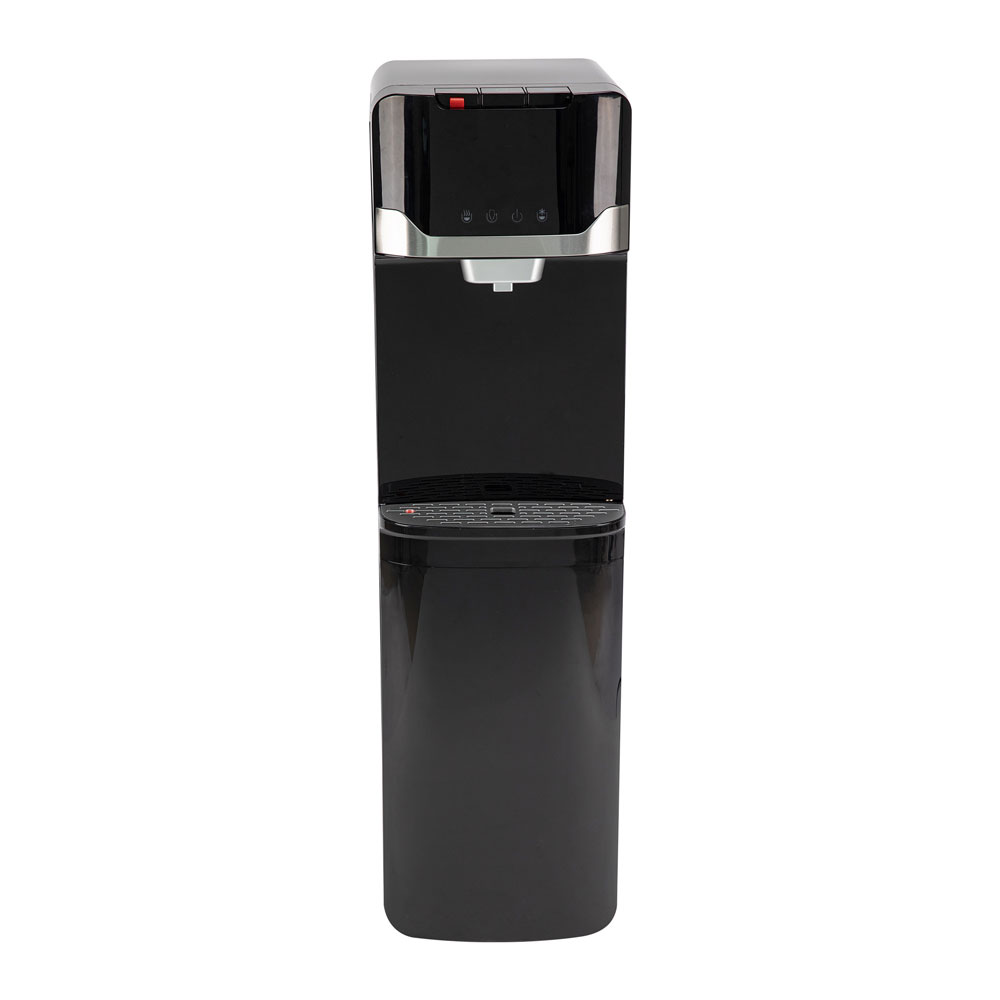
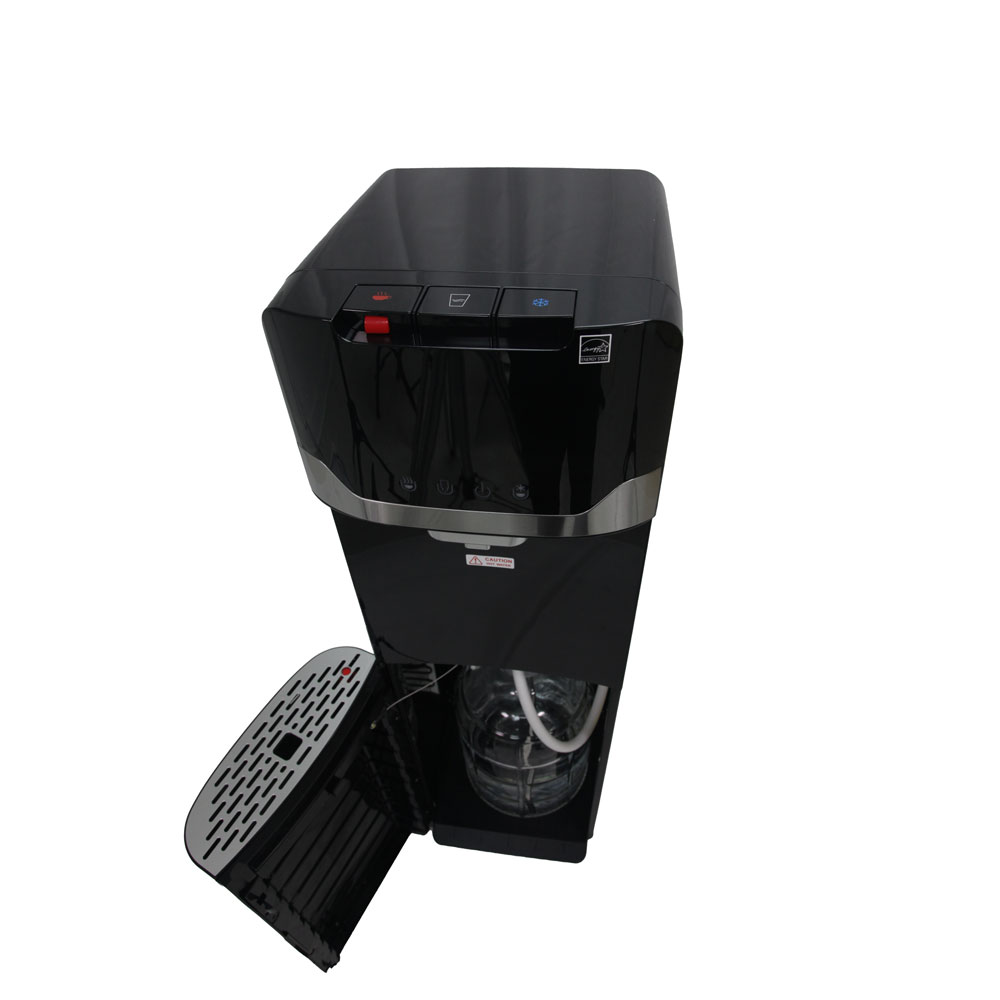
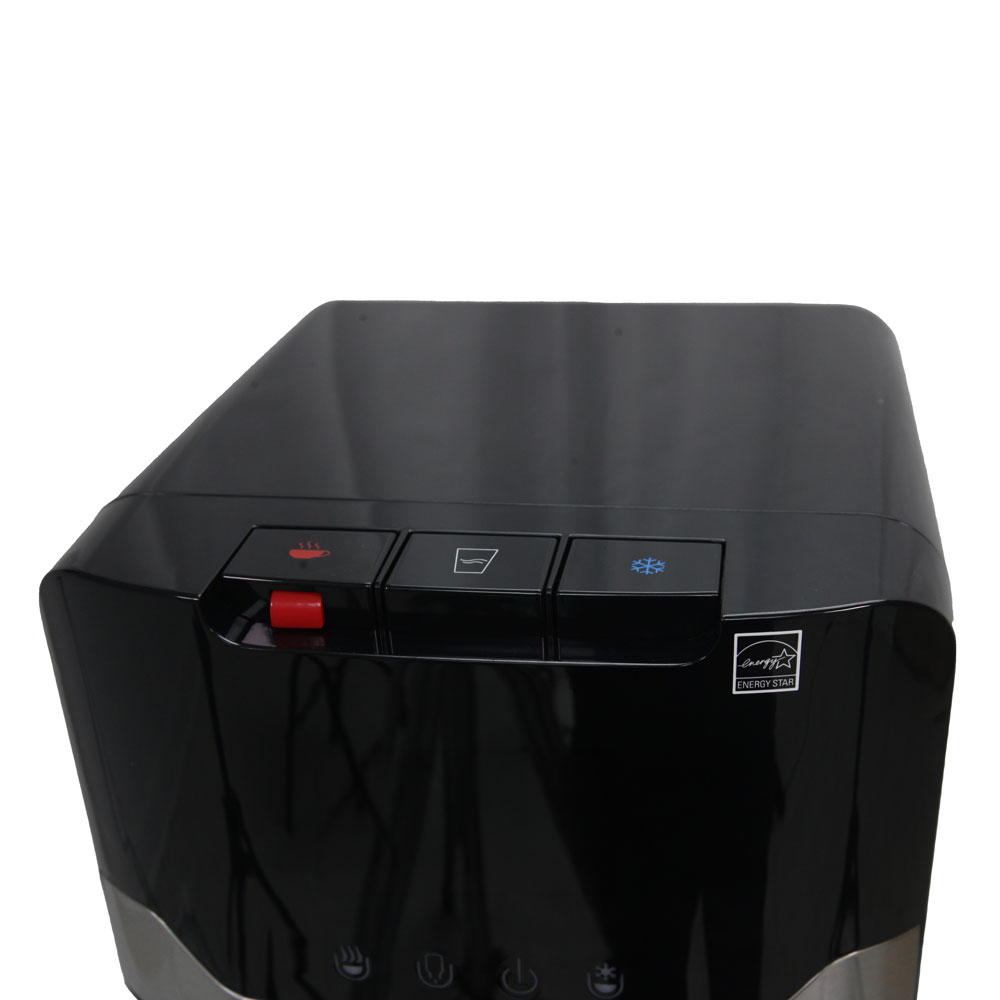
A modern, everyday water cooler designed for effortless living. Bottom loading makes bottle changes easy, while hot, cold, and room temperature water are always on demand. Compact, quiet, and energy efficient, TAHOE fits beautifully into stylish homes and works seamlessly with glass or plastic bottles.

Our 3 gallon glass bottles are crafted in Italy to deliver exceptional purity and clean, natural taste. Glass protects the water from flavor transfer while offering a premium look that elevates any space. The smaller size is easier to lift, ideal for frequent refreshes, and perfectly suited for modern homes. Delivered full and collected empty, it is a refined, sustainable option for those who value taste, design, and ease.
Our 3 gallon glass bottles are crafted in Italy to deliver exceptional purity and clean, natural taste. Glass protects the water from flavor transfer while offering a premium look that elevates any space. The smaller size is easier to lift, ideal for frequent refreshes, and perfectly suited for modern homes. Delivered full and collected empty, it is a refined, sustainable option for those who value taste, design, and ease.
In the next step, make your water selection.
This is a one-time, fully refundable deposit that covers our 3 and 5-Gallon Bottles. As a customer, you are responsible for the return and condition of these bottles.
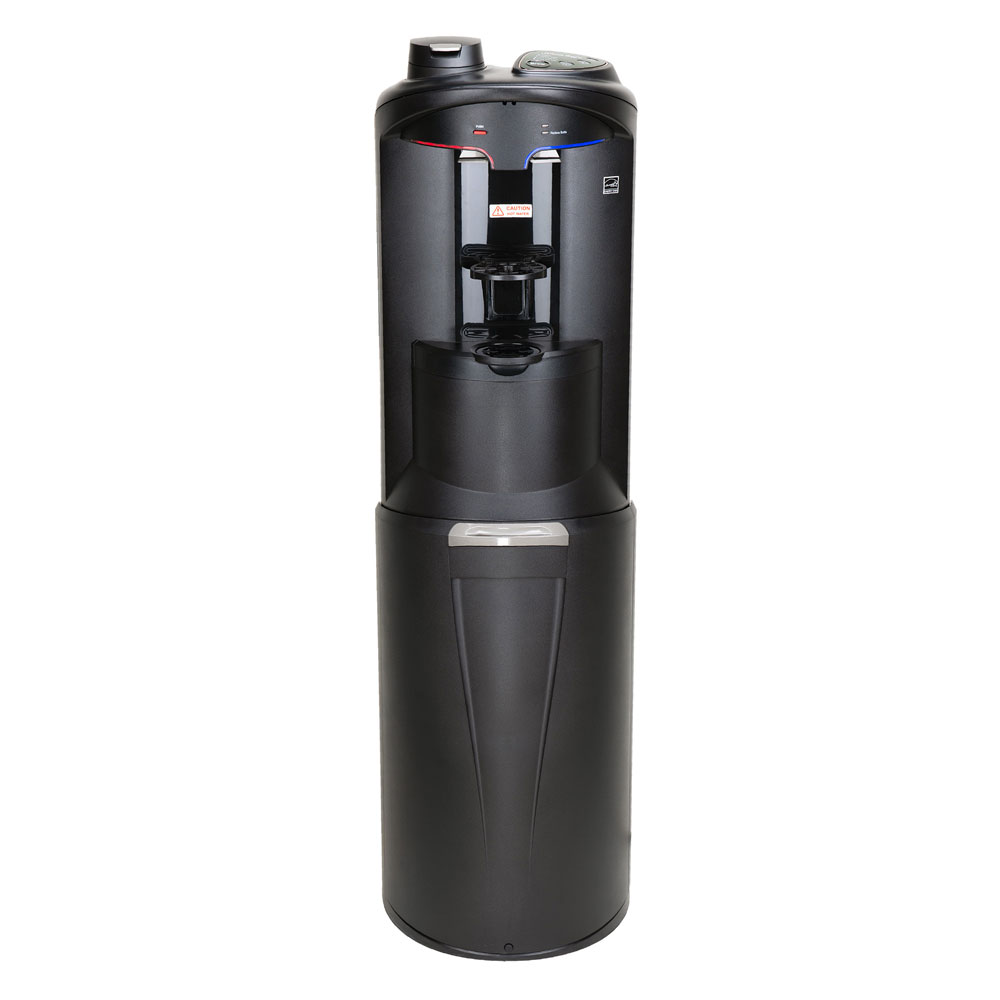
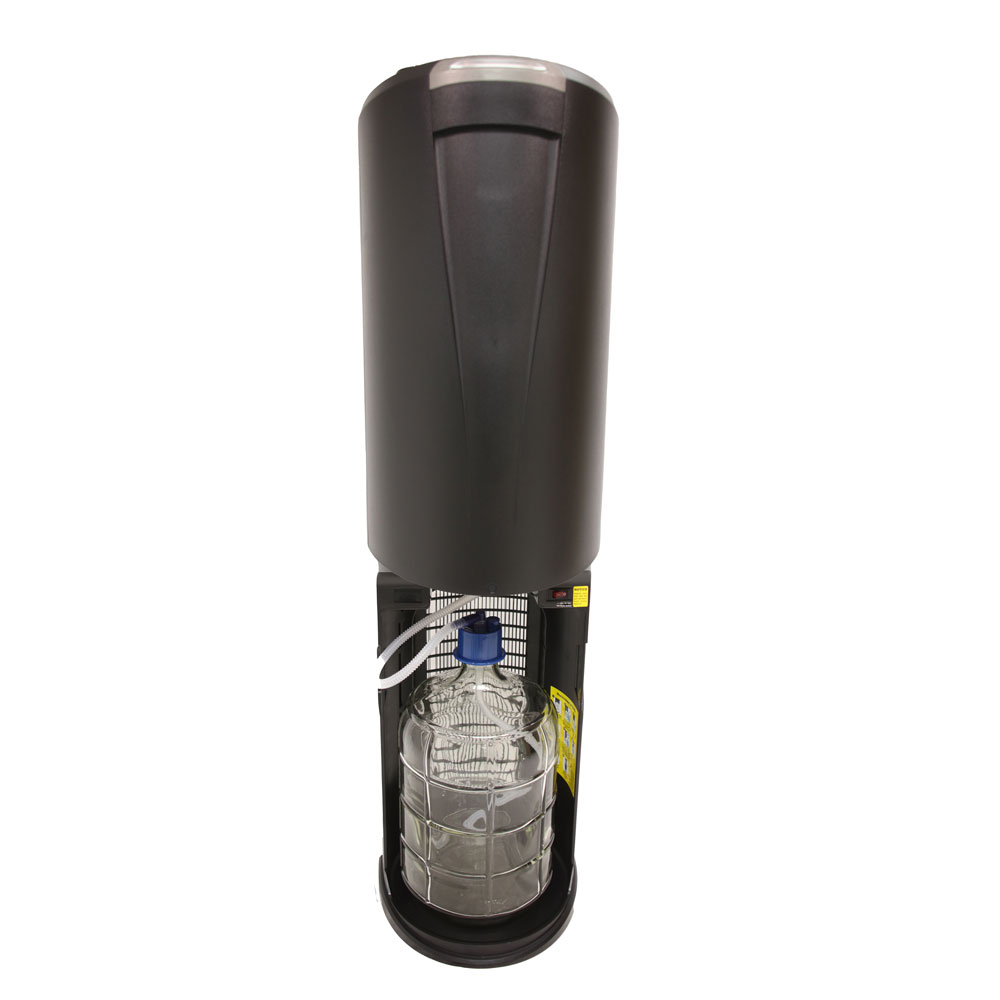
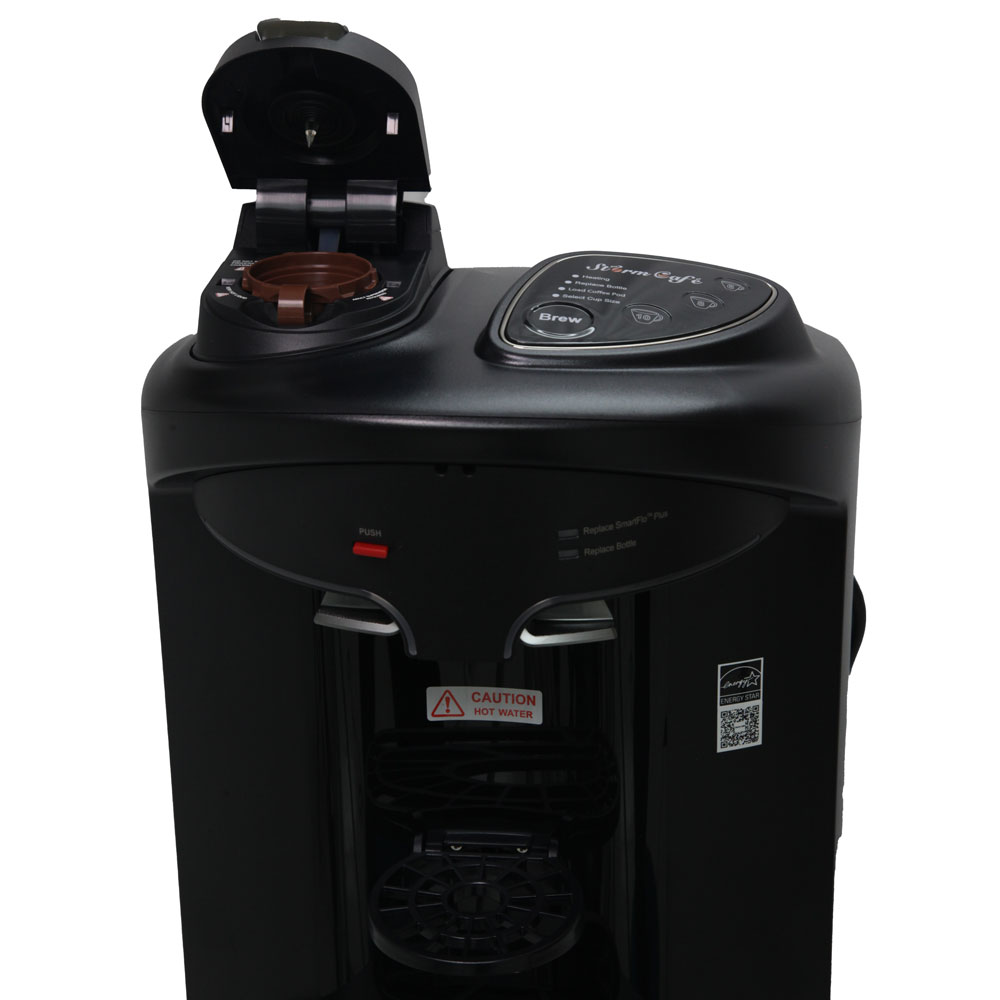
An all-in-one water and coffee solution for shared spaces. Storm Café combines a full water cooler with a built-in single-serve coffee brewer, delivering hot water and fresh coffee from one machine. Quiet, easy to maintain, and designed for higher use environments. Works with glass or plastic bottles.
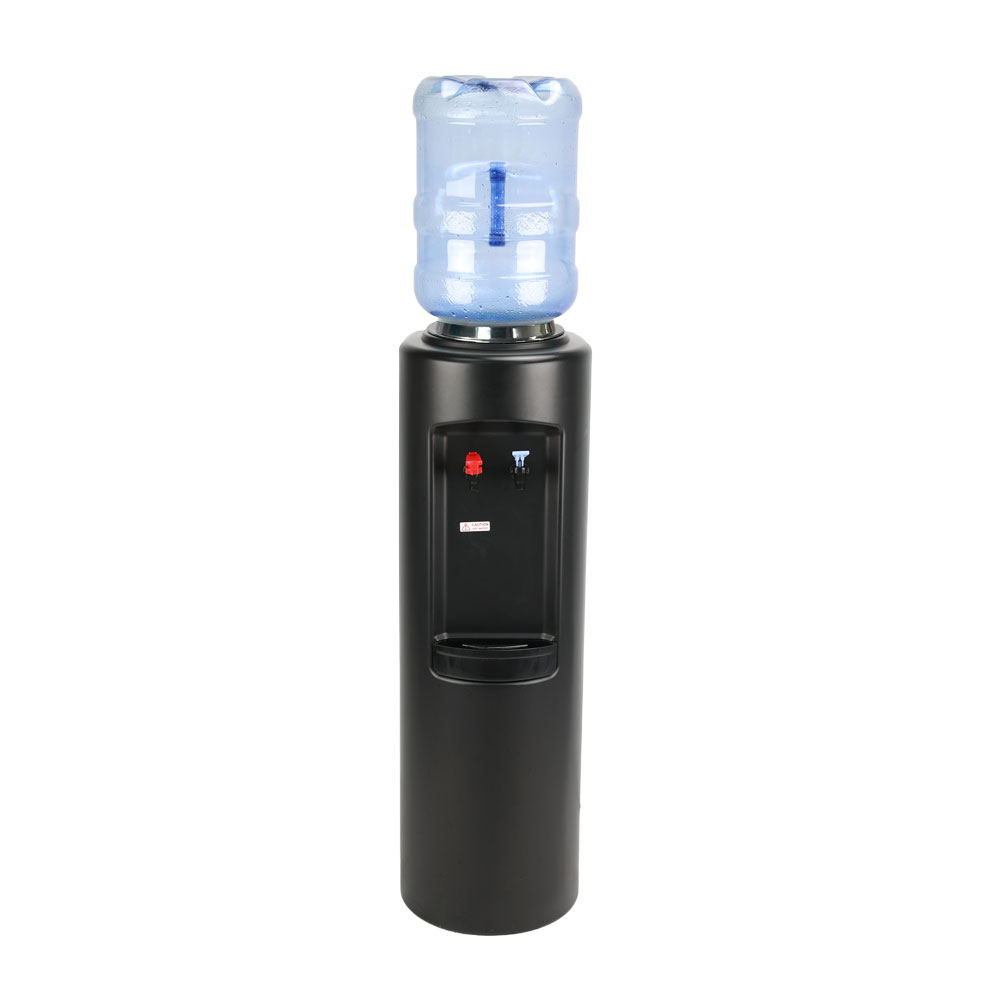
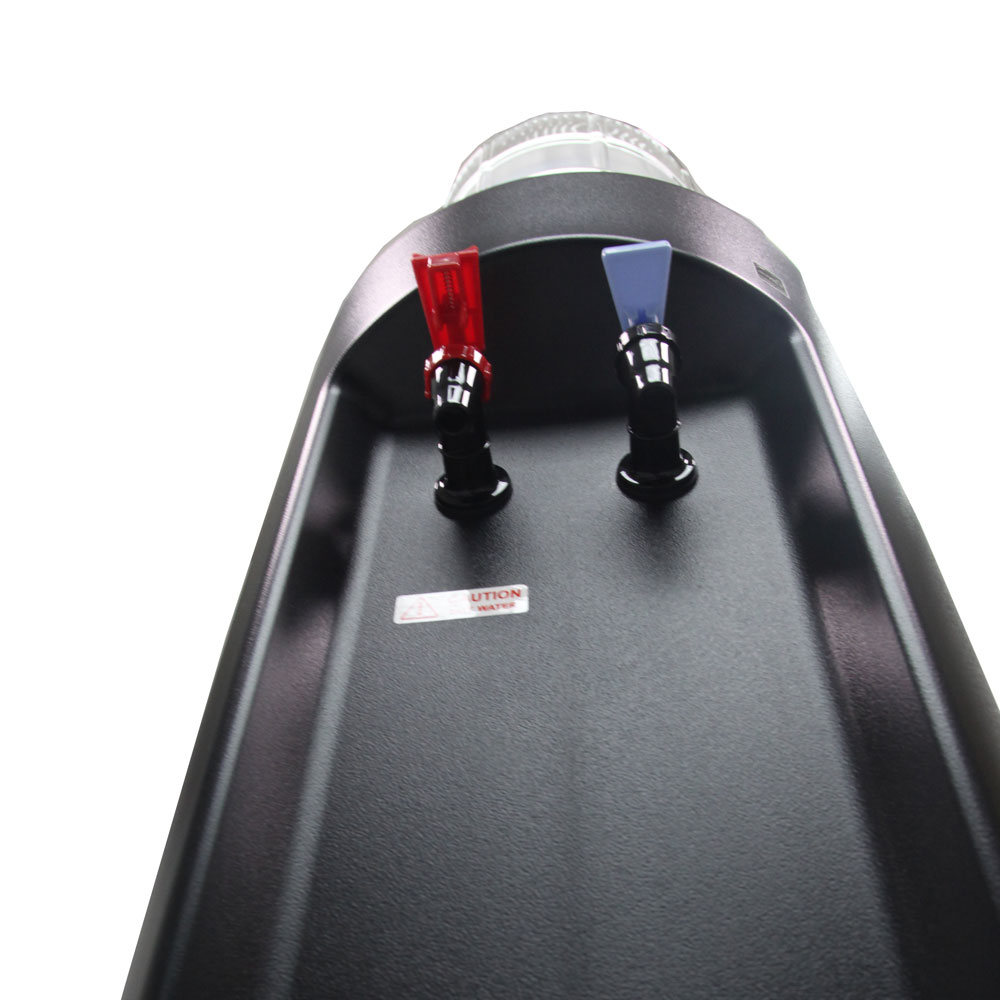
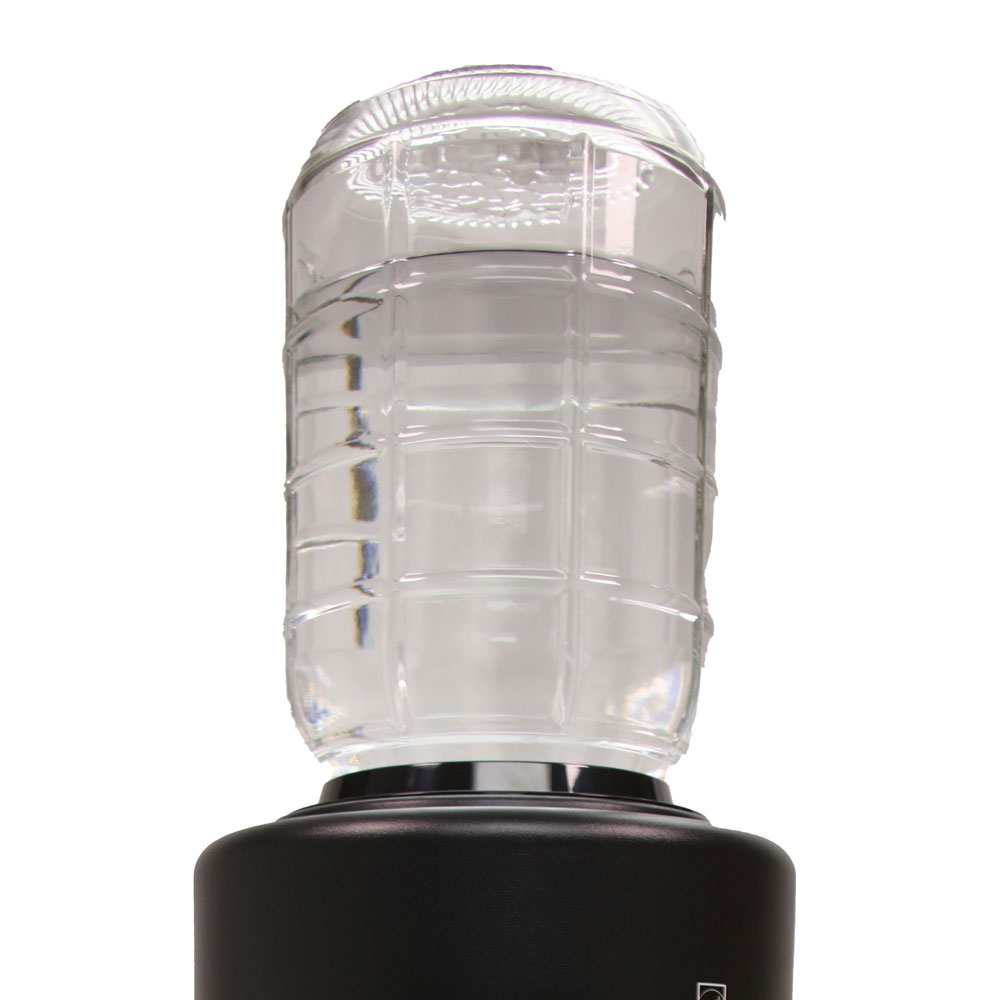
A dependable, no-frills water cooler built for consistent daily use. Simple hot and cold dispensing, durable construction, and a spacious fill area make it ideal for busy households or home offices. Reliable, energy efficient, and compatible with glass or plastic bottles.
A modern, everyday water cooler designed for effortless living. Bottom loading makes bottle changes easy, while hot, cold, and room temperature water are always on demand. Compact, quiet, and energy efficient, TAHOE fits beautifully into stylish homes and works seamlessly with glass or plastic bottles.
An all-in-one water and coffee solution for shared spaces. Storm Café combines a full water cooler with a built-in single-serve coffee brewer, delivering hot water and fresh coffee from one machine. Quiet, easy to maintain, and designed for higher use environments. Works with glass or plastic bottles.
A dependable, no-frills water cooler built for consistent daily use. Simple hot and cold dispensing, durable construction, and a spacious fill area make it ideal for busy households or home offices. Reliable, energy efficient, and compatible with glass or plastic bottles.
A modern, everyday water cooler designed for effortless living. Bottom loading makes bottle changes easy, while hot, cold, and room temperature water are always on demand. Compact, quiet, and energy efficient, TAHOE fits beautifully into stylish homes and works seamlessly with glass or plastic bottles.
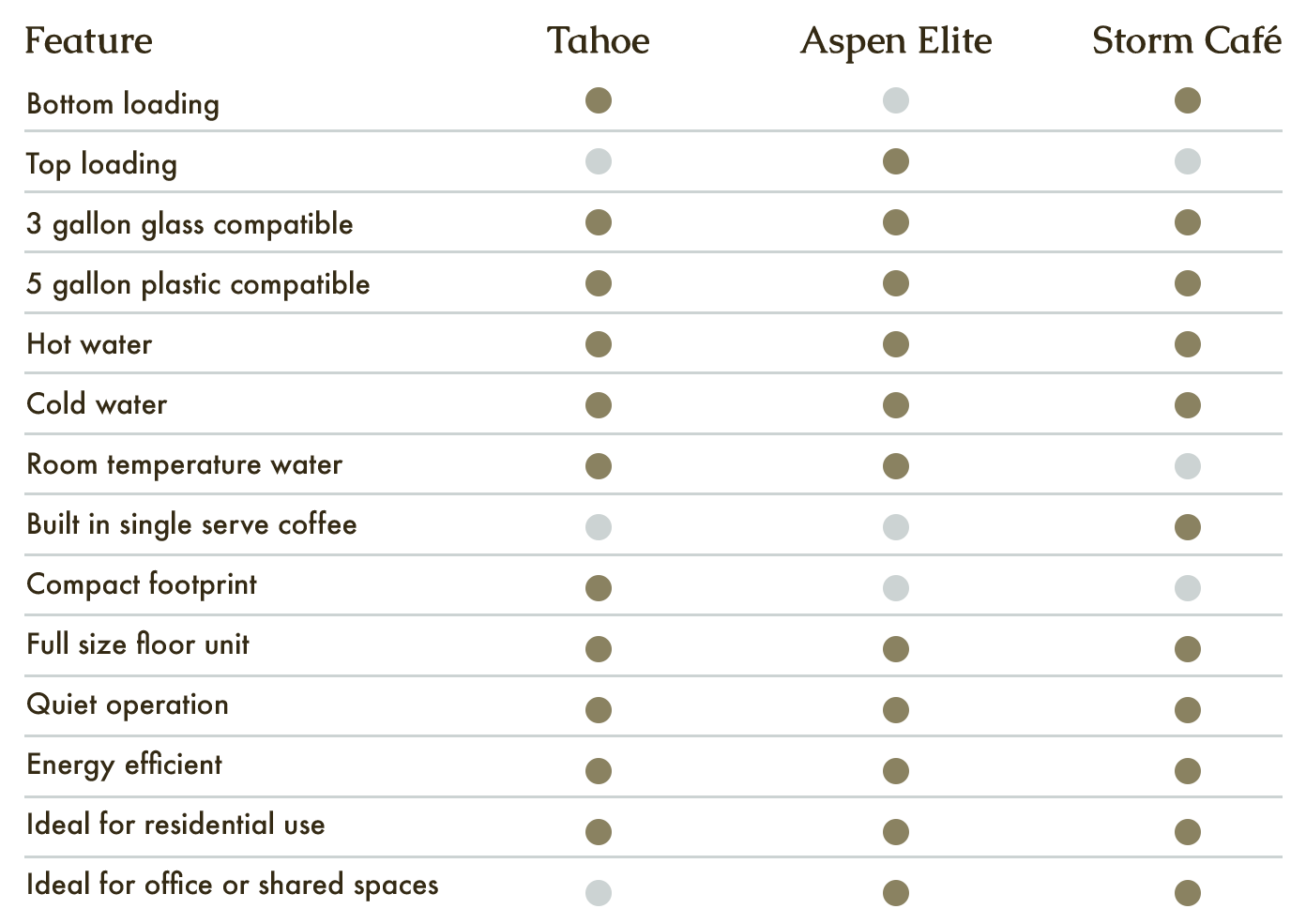
Bottom loading
Top loading
3 gallon glass compatible
5 gallon plastic compatible
Hot water
Cold water
Room temperature water
Built in single serve coffee
Compact footprint
Full size floor unit
Quiet operation
Energy efficient
Ideal for residential use
Ideal for office or shared spaces
Enjoy full service and flexibility with a low monthly fee, no contract, and the freedom to cancel anytime.
A modern, everyday water cooler designed for effortless living. Bottom loading makes bottle changes easy, while hot, cold, and room temperature water are always on demand. Compact, quiet, and energy efficient, TAHOE fits beautifully into stylish homes and works seamlessly with glass or plastic bottles.
A dependable, no-frills water cooler built for consistent daily use. Simple hot and cold dispensing, durable construction, and a spacious fill area make it ideal for busy households or home offices. Reliable, energy efficient, and compatible with glass or plastic bottles.
An all-in-one water and coffee solution for shared spaces. Storm Café combines a full water cooler with a built-in single-serve coffee brewer, delivering hot water and fresh coffee from one machine. Quiet, easy to maintain, and designed for higher use environments. Works with glass or plastic bottles.
In the next step, select from three curated cooler options designed to match your space, lifestyle, and water needs.
Own your dispenser outright with a simple one time purchase and no monthly rental fee.
A modern, everyday water cooler designed for effortless living. Bottom loading makes bottle changes easy, while hot, cold, and room temperature water are always on demand. Compact, quiet, and energy efficient, TAHOE fits beautifully into stylish homes and works seamlessly with glass or plastic bottles.
A dependable, no-frills water cooler built for consistent daily use. Simple hot and cold dispensing, durable construction, and a spacious fill area make it ideal for busy households or home offices. Reliable, energy efficient, and compatible with glass or plastic bottles.
An all-in-one water and coffee solution for shared spaces. Storm Café combines a full water cooler with a built-in single-serve coffee brewer, delivering hot water and fresh coffee from one machine. Quiet, easy to maintain, and designed for higher use environments. Works with glass or plastic bottles.
In the next step, select from three curated cooler options designed to match your space, lifestyle, and water needs.
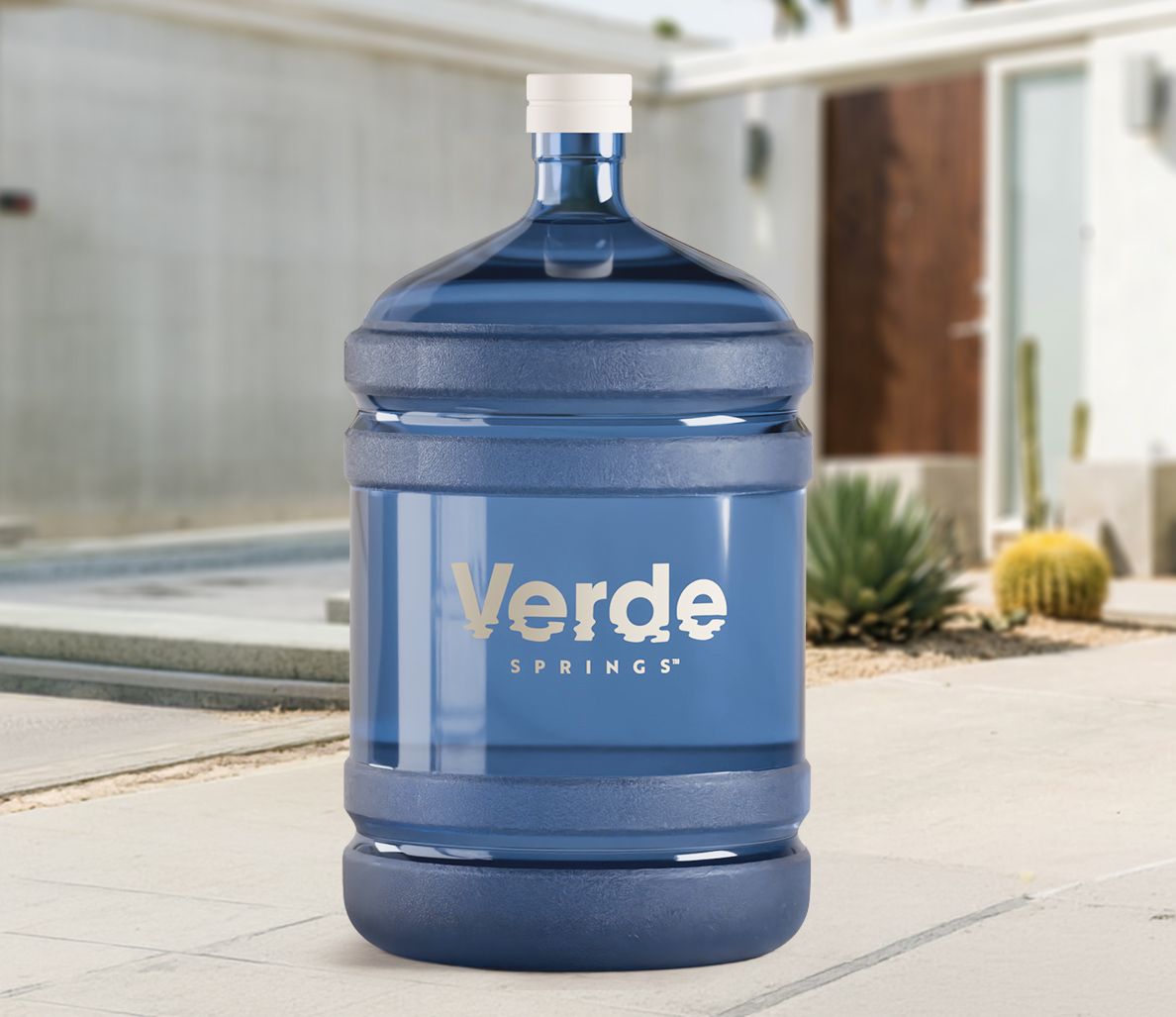
Our 5 gallon PET bottles deliver great tasting, pure water in a format built for everyday convenience. Designed to maintain water quality while offering durability and lighter weight handling, they are ideal for higher use homes or offices that want fewer bottle changes. The larger size provides excellent value and dependable flavor, professionally delivered and exchanged for effortless hydration.
Our 3 gallon glass bottles are crafted in Italy to deliver exceptional purity and clean, natural taste. Glass protects the water from flavor transfer while offering a premium look that elevates any space. The smaller size is easier to lift, ideal for frequent refreshes, and perfectly suited for modern homes. Delivered full and collected empty, it is a refined, sustainable option for those who value taste, design, and ease.
Based on your answers, here's what we recommend for you

